How One Video Changed My View on Open Source and Remote Work
Lessons from Kunal Kushwaha and Eddie Jaoude that helped me start my public learning journey.
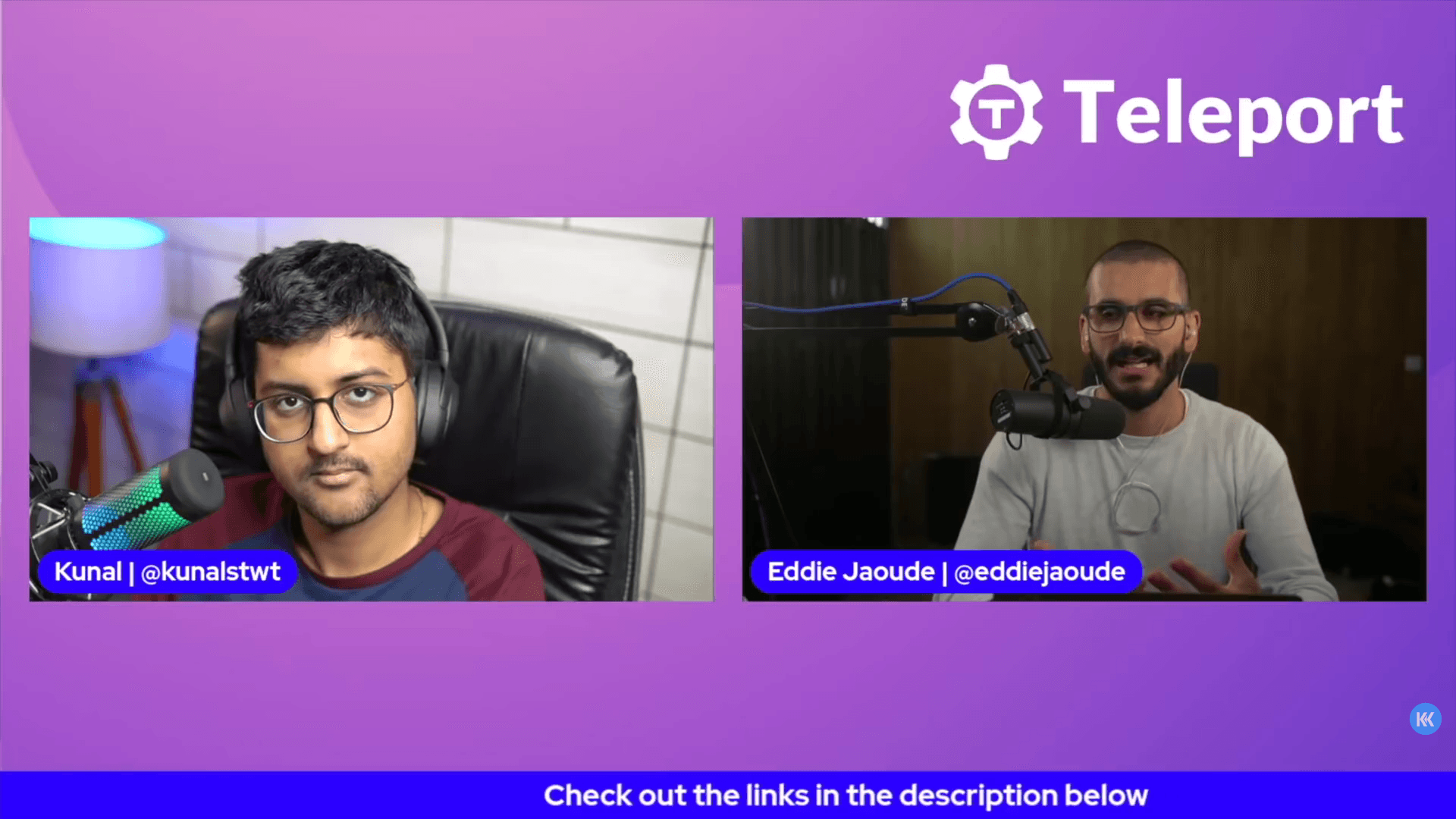
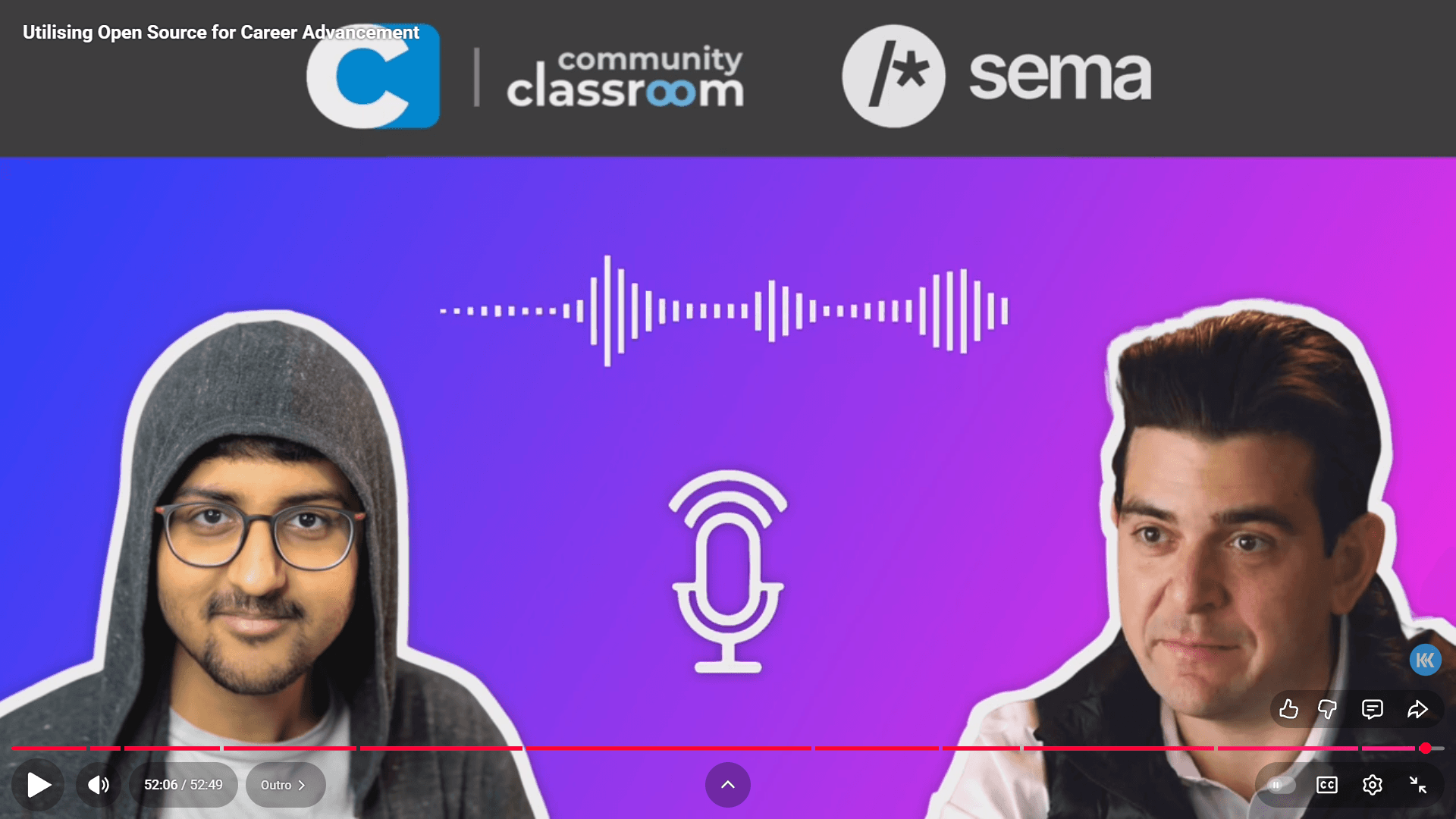
A few days ago, I watched a YouTube video titled “Travel the World While Working The Digital Nomad Way” by Kunal Kushwaha and Eddie Jaoude.
I thought it would be just another casual talk about remote jobs, but it changed how I see open source, global opportunities, and learning in public.
This video helped me understand how to get noticed by companies, secure remote jobs, and grow as a developer in the open-source community.
Here are my main takeaways:
How to Get Noticed by Companies
1. Contribute to Their Open Source Projects
If you want to work for a specific company, don’t just apply; contribute to their open-source projects.
Most companies today support or maintain open-source projects. Start by identifying which ones they’re involved in and make small contributions, whether technical (code, documentation, testing) or non-technical (design, content, translations).
These contributions help you stand out since you’re adding value to something they care about.
2. Learn in Public
This idea came from Savinder Puri, Kunal Kushwaha, and Eddie Jaoude.
“Learning in public” means sharing what you learn openly and regularly.
You don’t need to wait to become an expert. Share your progress, small wins, mistakes, and what you’re figuring out. Over time, this makes you visible, authentic, and trustworthy in the tech community.
How to Get Remote Jobs
1. Contribute to Open Source (Again!)
The same principle applies: open source is your global resume.
When companies see your contributions in their ecosystem, they know you can work independently, collaborate remotely, and write real-world code, all essential skills for remote work.
2. Keep Learning in Public
Remote companies value self-driven people.
By sharing your journey online through posts, threads, or dev blogs, you show that you take initiative and are always learning.
3. Build and Maintain a GitHub Presence
It’s not just about uploading code. It’s about how you write it.
Keep your repositories clean, write clear READMEs, and document your thought process. Let your GitHub show your growth mindset and coding habits.
4. Write Blogs About Your Learnings
Creating blogs or posts about what you learn, including challenges and solutions, reinforces your knowledge and builds your online credibility.
When you share your thought process, people see how you think, and that’s what recruiters and open-source maintainers notice.
5. Join Communities and Collaborate
Remote work depends on collaboration.
Join communities, Discord servers, and GitHub discussions where people build and learn together.
The open-source world isn’t just about code; it’s about people helping each other grow.
My Reflection
After watching this video, I found Ghost, an open-source publishing platform, and this became my first open-source project.
That decision marked the start of my public learning journey, where I began sharing my notes, experiences, and lessons consistently.
I’m thankful to Savinder Puri, Kunal Kushwaha, and Eddie Jaoude for promoting this mindset because it’s not just about coding or remote work. It’s about creating a meaningful career through community, contribution, and consistency.
Final Thoughts
If you’re just starting, here’s what I learned:
Find one project you care about.
Contribute to it.
Share your learnings.
Repeat.
That’s how opportunities find you, one commitment at a time.
Thanks for reading!
If you’re also learning in public or contributing to open source, I would love to hear your story. Drop a comment or connect with me on LinkedIn or GitHub.